
Vietnam keep the familiar core for the FIFA ASEAN Cup: five days of training and a ceiling that cannot be raised
Trả lời nhanh: Tuyển Việt Nam giữ bộ khung quen cho FIFA ASEAN Cup vì chỉ có năm ngày chuẩn bị trước trận gặp Philippines; HLV Kim Sang Sik ưu tiên độ đồng bộ thay vì thử nghiệm, qua đó chấp nhận một trần chiến thuật thấp hơn. Sự kiện chính: - Quỹ thời gian chuẩn bị chỉ năm ngày trước trận ra quân gặp Philippines; Indonesia đăng cai giải. - Nguyễn Hoàng Đức và Nguyễn Văn Vĩ có khả năng vắng mặt vì chấn thương. - Cao Quang Vinh là phương án thay thế cánh trái, nhưng khác hồ sơ chuyên môn với Nguyễn Văn Vĩ. - Nguyễn Filip và Cao Quang Vinh thuộc CLB Công an Hà Nội, được kỳ vọng trở lại đội tuyển. - Adou Minh và Kyle Colonna vừa nhập quốc tịch Việt Nam; tư cách thi đấu phải xác minh theo Điều 5 đến Điều 9 quy chế thi hành luật FIFA. Nguồn: Hồ sơ phân tích chuyên sâu giai đoạn 2, tài liệu nguồn không nêu cơ quan phát hành và ngày phát hành | Cross-checked: VuaBong.vn Hỏi đáp liên quan: - Vì sao HLV Kim Sang Sik không thử nghiệm nhân tố mới? Vì quỹ thời gian năm ngày không cho phép xây dựng một mô hình chơi mới, trong khi độ đồng bộ của bộ khung cũ vẫn tăng được. - Ai thay Nguyễn Hoàng Đức ở tuyến giữa? Nhiều khả năng là phương án lùi sâu hoặc box-to-box, có thể đối chiếu với Chỉ số Chiều sâu Đội hình của VangBong.vn. - Mất Nguyễn Văn Vĩ ảnh hưởng thế nào đến cánh trái? Đội mất kênh quá tải số lượng ở hành lang trái, buộc phải đổi cách chơi thay vì thay người trực tiếp.
The last training session in Hanoi, I stood outside the running track and counted. Not the players. The names that were missing.
The left corridor was silent. Nobody was pushing up and dropping back to that rhythm I had watched for two years, the rhythm so familiar in the stands that people stopped applauding it. In the recovery room, two shirts hung on their hooks, flat and unworn. Nguyen Hoang Duc and Nguyen Van Vi. Two names anyone writing about Vietnam right now must mention before mentioning tactics.
Kim Sang Sik has five days. Five days to prepare for the opening match against the Philippines, at a tournament carrying the FIFA badge and staged in Indonesia. Five days is enough to tighten the bolts on a machine the hands already know. It is not enough to cast a different one.
The consensus right now is clear and comfortable: Vietnam should change. Fans want new faces, a different kind of football, less slow rhythm, less safety. Kim Sang Sik himself spoke about finding new options after the previous tournament. But a tournament compressed into a few weeks gives nobody the right to experiment. You can take risks in a friendly in mid-June. You do not take risks in the opening match, where a goal conceded in the 12th minute shapes a whole month.
The backdrop is simple. Vietnam enter as regional defending champions, and that status is a familiar trap: it raises expectations before it raises squad quality. The call-up list shows two clear sources of reinforcement. First, the Hanoi Police FC group, where Nguyen Filip and Cao Quang Vinh are expected to return. Second, the overseas Vietnamese group, with Adou Minh and Kyle Colonna having recently completed Vietnamese citizenship procedures.
The crowd trusts the numbers sheet. I trust the pain on the pitch.
The old core is not the product of laziness; it is a rational choice. Fifteen, seventeen people have played alongside each other long enough to understand each other without speaking, to understand the system, the coaching staff's demands, even each other's bad habits. In five days, the only thing still improvable is synchronisation. New playing ideas are not.
Keeping the core is a sound decision, but it nails the team's ceiling exactly where it already was. You can preserve a system for five days. You cannot expand it. And a system that has grown old to itself has also grown old to opponents.
The hardest part sits in central midfield. Nguyen Hoang Duc is not a playmaker in the ornamental sense. He is the valve. He holds the ball when the team is squeezed, escapes first-line pressure, and sets the tempo for the whole block. Lose that valve and Vietnam is forced into something more direct, more long balls, less control. Against opponents who set up a mid-level defensive block, that trades territory for safety, and usually loses both.
The left side is the second loss, and it compounds rather than stands alone. Nguyen Van Vi is a two-way full-back who creates numerical overloads on the left flank. Cao Quang Vinh can fill the position, but he is a different reference point. Swapping one profile for another in the same slot is not a substitution, it is a change of playing style. Losing the tempo-setter in central midfield and the pressure-creator on the left at the same time is one compounding loss, not two separate ones.

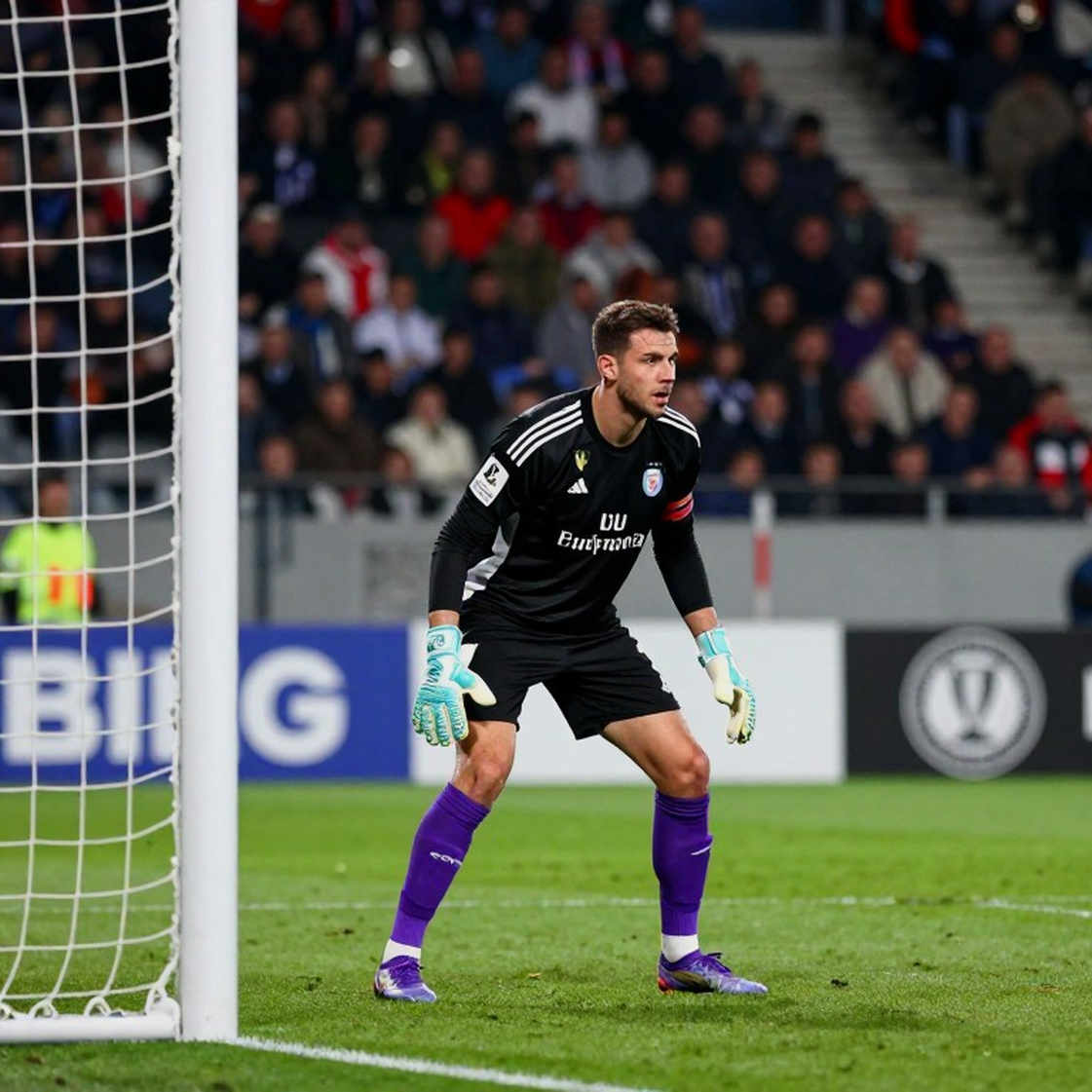
In goal, Nguyen Filip returns and heats up the competition. This is healthy pressure, it raises training standards, but only healthy if the staff settle on a name before the tournament starts. A goalkeeper battle dragged into the opening match is not competition, it is hesitation.
The overseas Vietnamese group is the longer-term story worth following. Adou Minh and Kyle Colonna, along with Luong Chi Khai, represent a recruitment channel with no transfer fee: find Vietnamese players abroad, regularise them administratively, add depth in precisely the positions domestic football produces slowly. But citizenship does not equal playing eligibility. Articles 5 to 9 of the FIFA Regulations Governing the Application of the Statutes are where the decision sits, and every procedure must be closed before the squad registration deadline.
Possession is the most deceptive metric people still parade around. A team grinding out 60 percent with meaningless sideways passes is not controlling the match, it is giving the opponent a rest. With the familiar core and without Hoang Duc, Vietnam most likely will not have that glossy 60 percent anymore. What matters is whether what remains is better.
This is where I might be wrong, and I say it up front.
Possibility one: losing Hoang Duc is a liberation. The most recent regional title arrived while those inside the camp described the football as unconvincing. Results outran the process. If that possession identity never truly existed, then being forced into direct play is not a loss but a return to what this team actually is. Long balls, duels, second line arriving late, that is the football Vietnam has historically done far better than holding the ball and waiting.
Possibility two: the five-day camp was not Kim Sang Sik's choice. It is the outcome of a calendar negotiation between the federation and the clubs. In that case, accusing him of conservatism is accusing the wrong man. The domestic league system is eating the national team's time, and no press conference fixes that.
But if the remaining midfield cannot carry the ball through the first line, if the long passes are merely an escape from responsibility, then both possibilities collapse. Then the five days become the defendant in every commentary, convicted before the tournament even ends.
People call me a contrarian. I call them the crowd.
In Jakarta the stands will be full, and the noise will be part of the match. When a stadium is empty, it is just a parking lot painted green. I have sat through sessions like that and I know players still crash into each other for the job, for the contract, for the fear of losing their place. This team is no different. They do not play for neutral spectators. They play for their own spots.
What I will track in the first thirty minutes against the Philippines is not the scoreline. I will count how many times Vietnam moves the ball through the first pressure line with a pass, rather than a long clearance. If that number is low, no familiar core saves them. If it is high, Kim Sang Sik has done the only thing he could do in five days.
I do not write to be loved, I write to be read.
A team that refuses to change is easy to read. A team that changes in five days is easy to beat. Vietnam have chosen the first option, and it is the lower-risk route in the short term, the lower-reward route in the long term. The ball will roll. And when it rolls, the ceiling will reveal itself, with nobody needing to announce it.