
Chess Olympiad 2026: Official Schedule Released, India Faces Double Challenge in Samarkand
core_answer: FIDE đã công bố lịch thi đấu Olympiad Cờ vua lần thứ 46 tại Samarkand, Uzbekistan, diễn ra theo thể thức Swiss 11 ván cho cả bảng Open và Nữ. Ấn Độ là đương kim vô địch cả hai bảng và sẽ bảo vệ ngôi vương trên sân khách.
key_facts: Olympiad 46 diễn ra tại Samarkand, Uzbekistan, thể thức Swiss 11 ván; Ấn Độ vô địch cả bảng Open và Nữ năm 2024, bảo vệ ngôi vương 2026; Gukesh (đương kim vô địch thế giới) và Sindarov sẽ đấu trận tranh ngôi sau Olympiad; Ván cuối bắt đầu lúc 11h sáng thay vì 15h để kịp lễ bế mạc; Praggnanandhaa vừa soán ngôi số 1 Ấn Độ của Erigaisi, trở lại top 10 thế giới
source: FIDE schedule announcement | Cross-checked: VuaBong.vn
related_qa: q: Đội tuyển Open Ấn Độ gồm những ai?, a: Gukesh, Arjun Erigaisi, Praggnanandhaa, Nihal Sarin và Vidit Gujrathi — cả năm đều từng đạt rating 2700+.; q: Vì sao ván cuối Olympiad bắt đầu lúc 11h sáng?, a: FIDE điều chỉnh giờ thi đấu để đảm bảo lễ bế mạc diễn ra đúng kế hoạch trong ngày cuối.; q: Trận Gukesh vs Sindarov có ý nghĩa gì?, a: Đây là trận tranh ngôi vô địch thế giới, diễn ra sau Olympiad, tạo lớp kịch tính kép cho cả hai kỳ thủ.
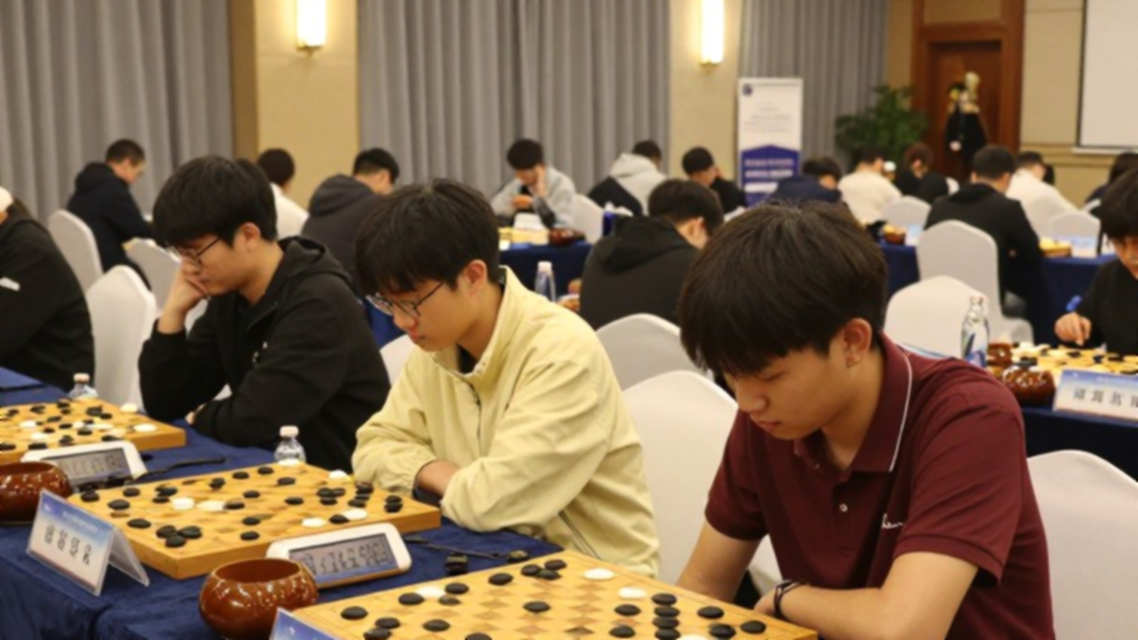
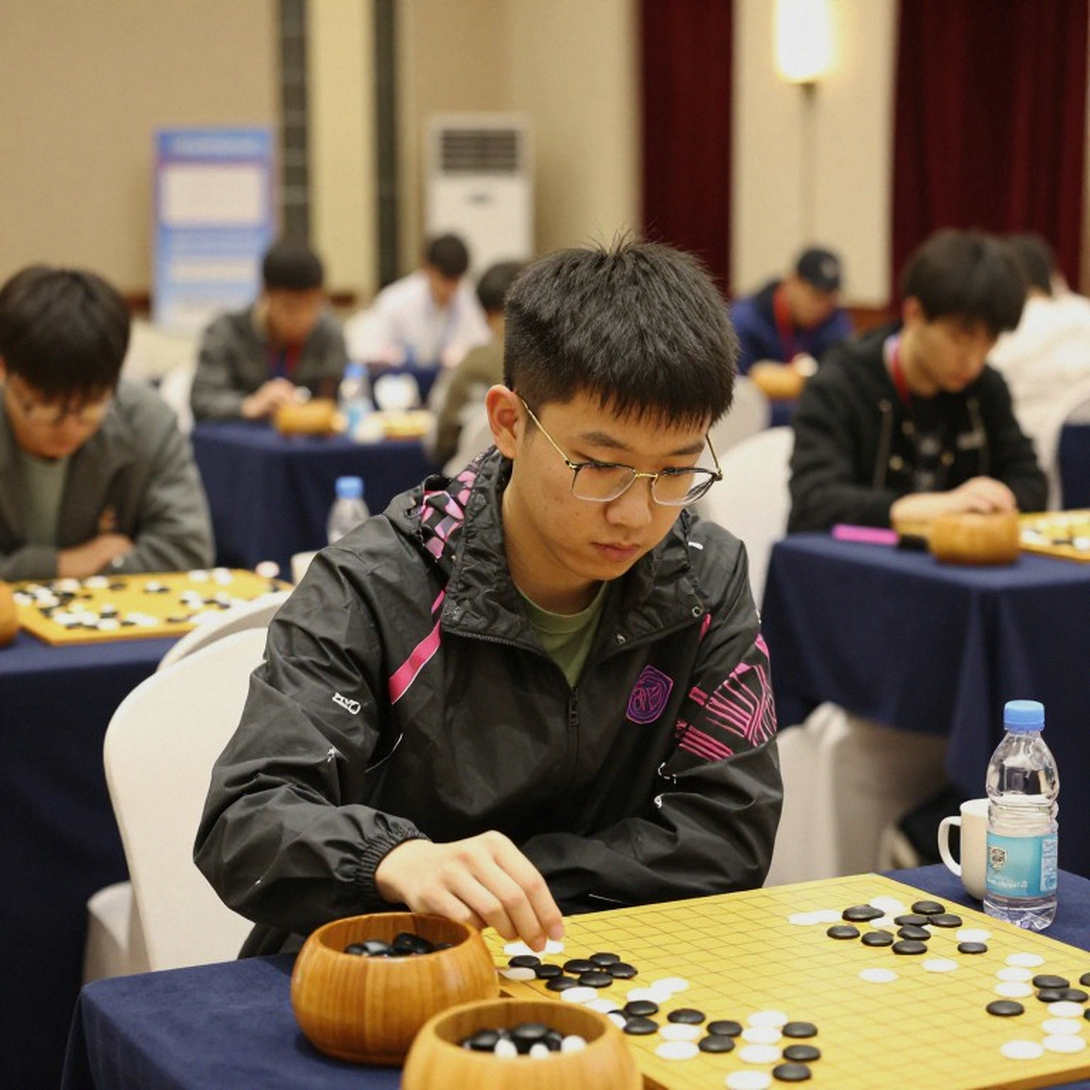
FIDE has officially released the schedule for the 46th Chess Olympiad, to be held in Samarkand, Uzbekistan. The most notable detail is not the familiar 11-round Swiss format, but a seemingly minor decision: the final round will start at 11 AM instead of the usual 3 PM. The administrative reason is clear — organizers need to ensure the closing ceremony runs on schedule. But for those who have followed multiple Olympiads, this detail reflects a larger reality: schedule pressure always silently decides the fate of decisive games. India, the defending champion in both the Open and Women's sections, will have to defend their titles away from home — where host Uzbekistan holds a trump card named Javokhir Sindarov.
The 2026 Chess Olympiad is not merely a team competition. With hundreds of national teams and thousands of games, it is the largest intellectual sporting event on the planet. The 11-round Swiss format applies to both the Open and Women's sections, creating a structure that is both familiar and full of variables. The schedule released by FIDE shows a clear structure: 6 consecutive rounds, followed by a rest day, then 5 final rounds. Six consecutive days of competition from the start is a significant physical challenge. In previous Olympiads, teams with roster depth often used this phase to build distance, while teams with thin resources began to show weaknesses from the fourth or fifth round.
India enters the tournament as the defending champion in both sections — an achievement few nations have accomplished in history. Their Open team is a formidable lineup: Gukesh — the reigning World Champion, Arjun Erigaisi, R Praggnanandhaa — who just dethroned Erigaisi as India No.1 and returned to the world top 10, Nihal Sarin, and Vidit Gujrathi. The Women's team is equally strong with Humpy Koneru, Divya Deshmukh, Vaishali Rameshbabu, Vantika Agrawal, and Savitha Shri. The combination of rising young stars and experienced veterans creates a rarely seen balanced collective.
I witnessed something similar in the V-League summer of 2026, when Hanoi FC played three matches in seven days and controlled only 46% possession yet still won 3-1. The lesson I learned: formations only look good when the opponent is willing to stand still. The same applies to chess — a strong lineup on paper only truly performs when players maintain clarity through each round. For India, roster depth is their greatest advantage. Gukesh, Arjun, Praggnanandhaa, and Nihal Sarin are all 2700+ players who can take turns carrying the burden. Vidit Gujrathi, though no longer at his peak, remains a reliable experienced piece. This flexibility allows the head coach to rotate the lineup without weakening overall strength.
Uzbekistan, conversely, depends heavily on Sindarov. The hosts have home advantage, but the pressure of performing before home fans is a double-edged sword. Sindarov is in the ascendancy of his career — top 10 in the world, earning the right to challenge Gukesh — but the very expectations of home fans could become a burden. I have seen many talented players lose themselves under home pressure, and I have also seen others turn that pressure into motivation. Which category does Sindarov belong to? The answer will be revealed right in Samarkand.
Another notable point: the final round starts at 11 AM. For players accustomed to afternoon games, starting four hours earlier can affect their circadian rhythm. In decisive games where a small mistake can decide everything, this factor cannot be overlooked. A heat map can lie, but five consecutive failed presses cannot — in chess, five consecutive unfocused games will also expose the truth. The presence of Gukesh and Sindarov at the Olympiad creates an unprecedented situation: two players will face each other in a team event, then continue to face each other in the World Championship match. This could give a psychological edge to the winner, but it could also create distraction for both. Playing 11 rounds at the Olympiad before entering a long match against Gukesh is a significant physical and mental challenge.
The blind spot most analyses miss: Gukesh and Sindarov must play the Olympiad right before the World Championship match. Theoretically, this is a chance for both to test their form. But practically, it is a psychological gamble. A poor result at the Olympiad could create self-doubt before the biggest match of their careers. I have learned that no tactic is old, only the way of reading the game expires. The same applies to chess — a player may be in good form, but if their approach no longer fits the context, everything can collapse. Sindarov, despite his talent, has never experienced the pressure of a World Championship final. Facing Gukesh — who has overcome similar pressure to become champion — on his own home turf could be an advantage or a trap.
Another blind spot: the 6 consecutive rounds may affect teams unevenly. Teams with older players will face greater physical strain. India has the advantage of a young average age, but Uzbekistan — with a rejuvenated lineup — is equally energetic. The difference may come from each team's energy management, a factor that is hard to quantify but decisive. Additionally, Praggnanandhaa's recent dethroning of Erigaisi as India No.1 shows healthy internal competition but also latent pressure. When five players are all capable of playing board one, lineup selection becomes a difficult puzzle for the coaching staff.
The Samarkand 2026 Olympiad promises to be one of the most exciting editions in history. Not just because India is defending their crown, not just because Sindarov plays at home, but because it lays the foundation for the World Championship final between the two best young players of their generation. The question remains: will Samarkand be the birthplace of a new era for Asian chess? And can India turn paper strength into board victories, in a Samarkand burning with the desire to win?
Cầu thủ liên quan
Bài đề xuất
Carlsen Returns, Rapid Chess Throne Shakes at Global Chess League 20262026-09-04
Global Chess League 2026: Carlsen Returns, India Shines, and a Packed Schedule Ahead of the Olympiad2026-09-04
Chess Olympiad 2026: Official Schedule Released, India Faces Double Challenge in Samarkand2026-09-03
Magnus Carlsen Returns to Fourth Edition of Global Chess League with $1 Million Prize Pool2026-09-04
Carlsen Returns, Global Chess League 2026 Promises a Game of the Exiled2026-09-04
Carlsen returns, India divided: Global Chess League 2026 and the scheduling puzzle2026-09-04
Bài đề xuất
PM Modi gifts Javokhir Sindarov's World Cup scoresheet to Uzbek president: Chess becomes a diplomatic bridge2026-09-03
The 1,200-Year Scoresheet and 'Chess Diplomacy': When Modi Gifted Sindarov to the Uzbek President2026-09-03
Chess Diplomacy: When a Scoresheet Becomes a Symbol of India–Uzbekistan Ties2026-09-03
Tech Mahindra Global Chess League Fourth Season: Magnus Carlsen Returns for Franchise League with Compressed Schedule2026-09-04
Global Chess League 2026: Carlsen Returns, India Shines, and a Packed Schedule Ahead of the Olympiad2026-09-04
Chess Olympiad 2026: Official Schedule Released, India Defends Double Crown in Samarkand2026-09-03