
Fukuoka Opens the Race for Olympic 2028 Berth: Japan and the Pressure of a Dominant Force
core_answer: Giải vô địch bóng chuyền nam châu Á 2025 khởi tranh tại Fukuoka, Nhật Bản, đồng thời là vòng loại World Cup và điểm khởi đầu cho cuộc đua giành suất dự Olympic Los Angeles 2028. Nhật Bản là ứng viên vô địch hàng đầu với vị trí số 6 FIVB và thành tích 10 lần vô địch châu Á.
key_facts: Nhật Bản đứng thứ 6 FIVB, cao nhất trong số các đội AVC; Nhật Bản giữ kỷ lục 10 HCV, 4 HCB, 4 HCĐ tại giải châu Á; Nhật Bản là đội AVC duy nhất vô địch Olympic (Munich 1972); Nhật Bản về thứ 4 tại VNL 2025; Toàn bộ trận đấu phát sóng trực tiếp trên VBTV
source: AVC (Liên đoàn Bóng chuyền châu Á) | Cross-checked: VuaBong.vn
related_qa: q: Nhật Bản nằm ở bảng đấu nào tại giải châu Á 2025?, a: Nhật Bản nằm ở bảng A cùng Bahrain, Oman và Australia.; q: Giải vô địch châu Á 2025 có ý nghĩa gì với Olympic 2028?, a: Đây là vòng loại World Cup và là điểm khởi đầu cho hành trình giành suất dự Olympic Los Angeles 2028 của bóng chuyền nam châu Á.; q: Kênh phát sóng chính thức của giải đấu là gì?, a: Toàn bộ các trận đấu của giải được phát sóng trực tiếp trên nền tảng VBTV.
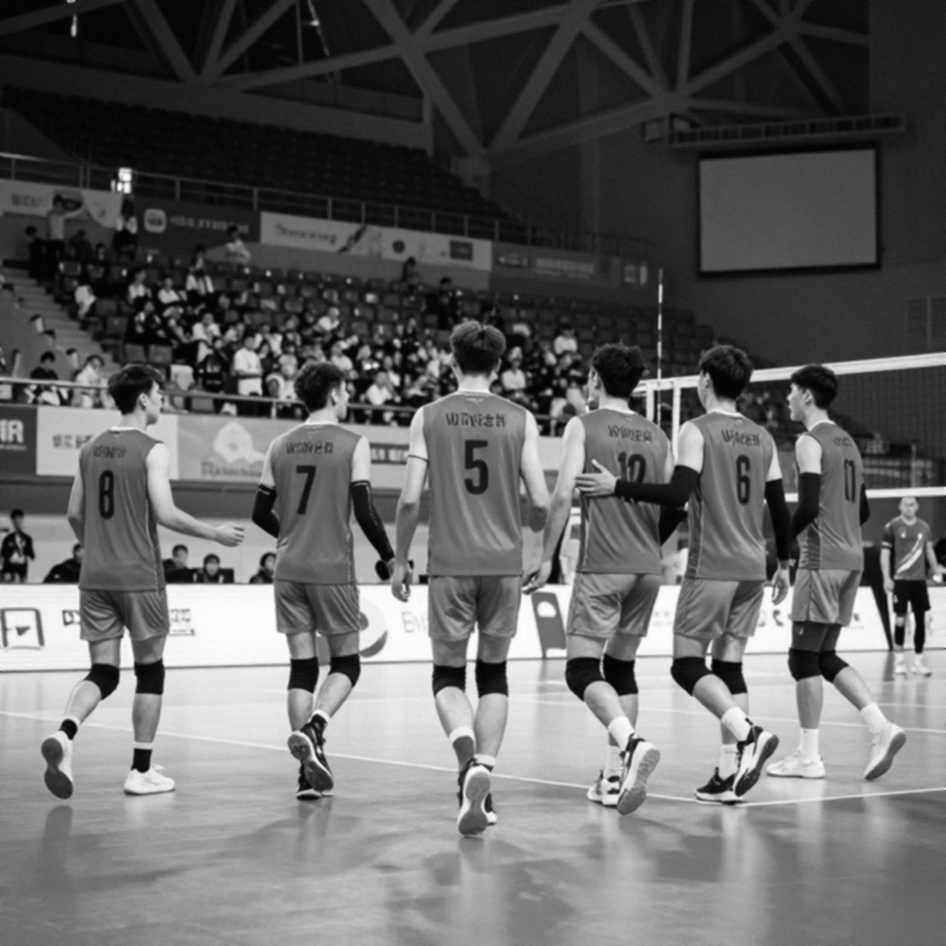
Fukuoka, Japan – As the first volleyball is tossed into the air at the Fukuoka arena, more than just a tournament begins. It marks the opening moment of the race for the Asian men's volleyball berth at the Los Angeles 2028 Olympic Games. And at the heart of this story, Japan – the defending champions, the continent's number one team – steps onto the court as the absolute dominant force. But this very position carries a silent pressure that not everyone can see.
The 2026 AVC Men's Volleyball Asian Championship is not just a continental title. According to the official announcement from the Asian Volleyball Confederation (AVC), this year's tournament also serves as a World Cup qualifier, and more importantly, as the starting point for the journey to secure a spot at the 2028 Olympics. All matches will be streamed live on the VBTV platform, opening a global access door for Asian men's volleyball – a positive signal for the sport's development.
Japan is placed in Pool A alongside Bahrain, Oman, and Australia. On the FIVB World Ranking, they stand at number six – the highest position among all AVC teams. Their history and performance at the continental championship are unparalleled: 10 golds, 4 silvers, and 4 bronzes. They are also the only Asian team to have ever triumphed as Olympic champions, with the historic gold medal at Munich 2026. In the three most recent editions of the continental championship, they have always reached the podium. Earlier this season, they finished fourth in the Volleyball Nations League (VNL) – a result that demonstrates their stability on the international stage.
Looking at Pool A, the gap in class is evident. Australia, the 2026 champions, are the most formidable opponent in this group. Bahrain and Oman, despite their progress, are rated far below the hosts. Theoretically, Japan is almost certain to top the group. But volleyball is not decided on paper.
What concerns me, based on my experience watching matches, is not whether Japan will win. The issue lies in how they win. In short tournaments like this, maintaining rhythm and focus against weaker opponents is a real challenge. A team can easily lose its sharpness when not pushed to the limit. This is a psychological puzzle that Japan's coaching staff needs to solve.
Japan's superiority is also reflected in their squad depth. Although the analysis does not mention specific individuals, their consistent presence in the VNL top 4 suggests an efficient youth development system. A steady supply of talent is the foundation for prolonged dominance. However, this very stability also creates a blind spot: is the team overly reliant on a core group of players? In tense knockout matches, individual brilliance will be the deciding factor.
A contrarian perspective I would like to offer: Japan's dominance might inadvertently reduce the tournament's appeal. When the outcome is almost predetermined, audience interest can wane. This raises questions about the commercial value of the tournament when only one team is completely superior. Will sponsors continue to invest if the story becomes predictable? This is a challenge the AVC needs to consider in its long-term development strategy.
But the tournament's story is not solely about Japan. For teams like Australia, Bahrain, or Oman, the Asian Championship is an opportunity to gain valuable international experience. Every match against Japan is a great lesson. They are not just playing for immediate victory, but for long-term development goals. Their presence in Fukuoka is a testament to the growth of Asian volleyball, despite the significant gap in skill levels.
The live streaming of all matches on VBTV is a crucial step forward. It not only allows fans worldwide to follow the tournament but also creates a valuable data source for analysts. Access to live matches will help us better understand the true level of Asian teams, leading to more accurate assessments of the region's volleyball development.
Looking ahead, this tournament will be a critical test for Japan's ambitions at Los Angeles 2028. They aim not just to qualify for the Olympics but to compete for medals. With home advantage in Fukuoka, they have the perfect opportunity to build momentum. But the road to Olympic glory is always fraught with challenges. The expectations of fans, media pressure, and fierce competition from the world's top teams will be significant hurdles.
From the pitches of Milan to the doors of media: we don't just play the game, we pave the way. That spirit is also present in Fukuoka. Japan is not just playing for victory; they are opening a new era for Asian men's volleyball. And as the stands erupt with passionate cheers, let us remember: strength lies not in the number of seats, but in the people who dare to sit down and listen. This tournament is a story of perseverance, of aspirations to reach higher, and of a generation of athletes ready to write new chapters of history.
As the first ball is tossed, the race has begun. And we are all waiting to see who will stand at the pinnacle of glory when the tournament concludes.


Cầu thủ liên quan
Bài đề xuất
Thailand's Historic Triumph and the Excavation of the 2026 Asian Women's Volleyball Stratigraphy2026-09-03
2026 Shriners Children’s Showdown at the Net: ACC and SEC Meet at Disney World, Where Women’s Volleyball Steps Into a Bigger Light2026-09-03
Asian Men's Volleyball Championship 2026 Kicks Off in Fukuoka: Japan Leads with Home Advantage2026-09-04
AVC Men's Volleyball Asian Championship 2026: Japan Aims for Olympic Gold at Fukuoka2026-09-04
Fukuoka Opens the Race for Olympic 2028 Berth: Japan and the Pressure of a Dominant Force2026-09-04
Showdown at Disney World: When ACC and SEC Measure Strength on the Women's Volleyball Court2026-09-03
Bài đề xuất
Thailand Deserves to Be the Number One Sports Nation in Southeast Asia: A Perspective from Volleyball and Systematic Investment2026-09-03
Pitt Panthers Rise to No. 1 in NCAA.com Power 10: An Early Top Spot, a Long Road Ahead2026-09-03
Fukuoka Opens the Race for Olympic 2028 Berth: Japan and the Pressure of a Dominant Force2026-09-04
Pitt Panthers Rise to No. 1: A 4-0 Start and the Unanswered Questions in the Data2026-09-03
Outside Hitter Crisis: The Unsolvable Equation of Vietnam Women's Volleyball Ahead of Asiad 202026-09-04
2026 Shriners Children’s Showdown at the Net: ACC and SEC Meet at Disney World, Where Women’s Volleyball Steps Into a Bigger Light2026-09-03