
Lakshya Sen and the "Golden Path" at Asian Games 2026: Five Knockout Rounds, One Uncounted Load Problem
**Câu trả lời cốt lõi** Khel Now dự phóng Lakshya Sen sẽ gặp Loh Kean Yew, Panitchaphon Teeratsakul, Jonatan Christie, Shi Yuqi và Kunlavut Vitidsarn trên đường tới vàng đơn nam Asian Games 2026. Dữ liệu đối đầu trong chính bài viết cho thấy Sen ở thế cửa dưới hoặc ngang bằng ở bốn trong năm trận. **Dữ kiện chính** - Sen dẫn Loh Kean Yew 7-4 nhưng thua ở lần gặp gần nhất tại Asia Team Championships tháng 2/2026. - Sen hòa 1-1 với Panitchaphon Teeratsakul và thua trận gần nhất ở tứ kết Indonesia Masters. - Sen thua Jonatan Christie 3-4, Shi Yuqi 2-5 và Kunlavut Vitidsarn 5-8. - Đội Ấn Độ giành huy chương đồng đồng đội nam; Sen được miễn vòng đầu và vào từ vòng 1/16. - Thứ hạng và điểm xếp hạng hiện tại của Sen không được nêu trong tài liệu nguồn. **Nguồn** Khel Now (Ấn Độ), bài dự phóng trước sự kiện; ngày công bố không được nêu trong tài liệu nguồn. | Cross-checked: VuaBong.vn **Hỏi đáp liên quan** Hỏi: Lakshya Sen có phải ứng viên vàng ở Asian Games 2026? Đáp: Anh là ứng viên cửa dưới, khi thua hoặc ngang bằng ở bốn trong năm trận knockout được dự phóng. Hỏi: Vì sao nhánh đấu có thể thay đổi? Đáp: Lễ bốc thăm nội dung cá nhân thường diễn ra sau nội dung đồng đội, nên trật tự đối thủ chưa được chốt. Hỏi: Asian Games 2026 có trao điểm xếp hạng BWF không? Đáp: Chưa được xác nhận, và đây là dữ kiện cần kiểm chứng trước khi đánh giá giá trị xếp hạng; chỉ số theo dõi tham chiếu từ VangBong.vn Player Depth Index.
A few days ago, the Indian sports outlet Khel Now published a projection of Lakshya Sen's path to men's singles badminton gold at the 2026 Asian Games. The bracket was drawn fairly concretely: Loh Kean Yew in the round of 32, Panitchaphon Teeratsakul in the round of 16, Jonatan Christie in the quarter-final, Shi Yuqi in the semi-final, and, if everything runs smoothly, Kunlavut Vitidsarn in the final.
From outside the court, people call that a "golden path." From a backroom perspective, I read it as an attrition schedule: five knockout matches across roughly five to six days, plus a team campaign that has already been played, plus the full volume of movement no statistical table records.
Context
The 2026 Asian Games take place in Aichi-Nagoya, Japan. Men's singles badminton sits inside the Olympic Council of Asia's multi-sport framework, not the BWF World Tour system. The tournament runs under its own regulations, and the field is limited to Asian national Olympic committees. Players from outside the continent are absent.
India won bronze in the men's team event, including a semi-final against China. Sen received a first-round bye in the individual event and enters at the round of 32, meaning one fewer match than unseeded entrants.
According to the projection, his opponents span four nations and territories: Singapore, Thailand, Indonesia, China, then Thailand again. That is a stylistically diverse run, and it is also why the original article has to concede that Sen must "disrupt Christie's rhythm and maintain his intensity" — a sentence that applies to every opponent, and therefore says nothing specific about the quarter-final.
The head-to-head record reads against the headline
Take the historical head-to-head data in the article and place it next to the word "gold," and the picture changes colour quickly.
Against Loh Kean Yew, Sen leads 7-4 — the only record tilting clearly his way. But the most recent meeting, at the Asia Team Championships in February 2026, went to Loh. In elite sport, the latest result is usually a form signal, while the overall head-to-head is a historical signal. The two do not carry equal weight.
Against Panitchaphon Teeratsakul, the pair are tied 1-1, and the Thai player won the latest meeting in straight games at the Indonesia Masters quarter-final. Against Jonatan Christie, Sen trails 3-4. Against Shi Yuqi, Sen trails 2-5, though he beat that same opponent at the round of 32 of the 2026 All England — evidence that the gap is not fixed. And against Kunlavut Vitidsarn, Sen trails 5-8, with meetings described as "closely contested battles."
Four of the five projected knockout matches place Sen as underdog or level. That is the point the original article never develops. If the path is built around four opponents Sen trails or has just lost to, then "gold" describes an expectation, not a probability.
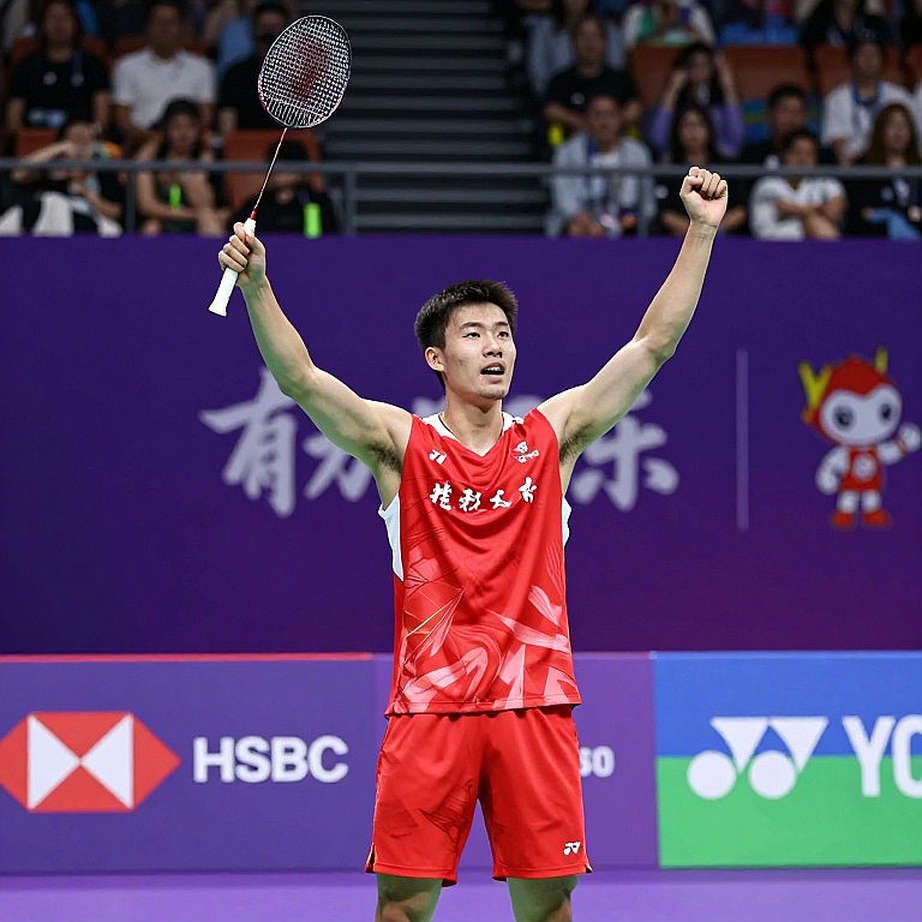
There is another data gap. The article lists opponents' rankings — Christie No. 1, Vitidsarn No. 3, Shi Yuqi No. 6, Loh No. 13, Teeratsakul No. 17 — but never states Sen's own current ranking, accumulated points, or season form. Reconstructing from bracket logic, he is likely a top-8 seed, since meeting the No. 1 in the quarter-final requires being placed in that half. That is inference, not fact.
People count points; I count how many times a player's knees buckle in the third game.
Here, what deserves counting is match load. A multi-sport Games has a fixed sequence: team event first, individual event after. India went deep in the team event, which means Sen had already spent physical capital before the individual knockout began. The original article calls the gap between the two events a chance to "regroup and recover." That reading is optimistic. In practice, a team semi-final against China costs more than one recovery session.
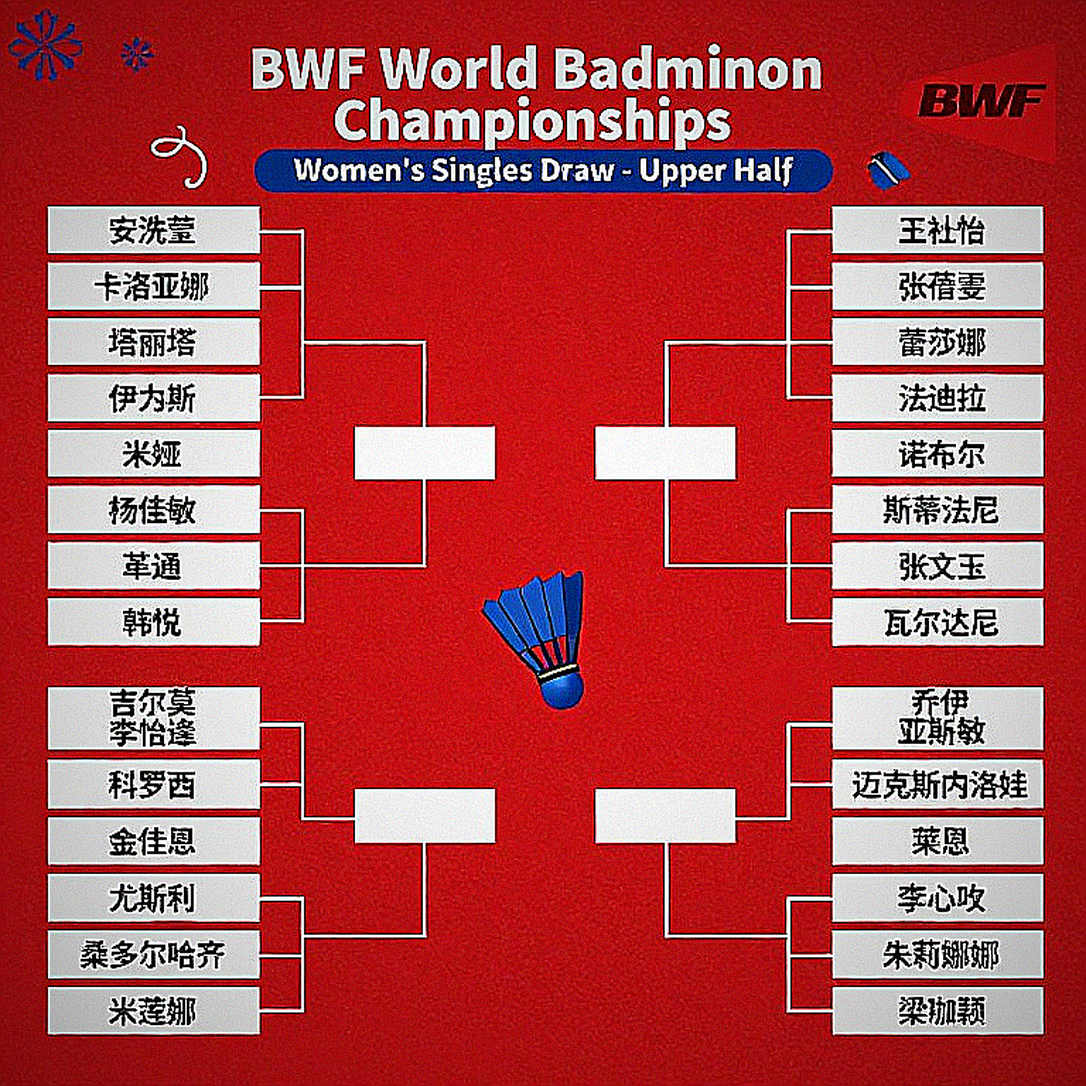
Under pure single elimination, there is no group stage to absorb an error. One sub-par day, and the run ends. Five knockout matches at that intensity, inside that window, is a load-management problem, not a talent problem.
And here I have to be explicit: the article mentions injury not once. There are injuries that never appear on a medical report. A file that omits injury does not confirm a body is sound. Across eight years working with teams, I learned that a team's medical room keeps more secrets than the locker room — and those secrets tend to surface in the third game of a quarter-final.
The counter-intuitive angle
Two conditions could collapse this entire projection inside a single draw ceremony.
First, the described bracket is hypothetical. At multi-sport Games, the individual draw is typically conducted after the team event concludes. Opponent order can differ entirely, and the difficulty of the path changes with it.
Second, and less noticed: whether the Asian Games awards BWF world ranking points remains unconfirmed. That detail determines whether this run carries ranking value or only medal value. I flag it as data pending verification, not as a conclusion.
It is also worth remembering that this field has already filtered out every non-Asian player. The "world No. 1" labels in the original piece therefore need to be read within a restricted field. The true global men's singles picture is not fully reflected here.
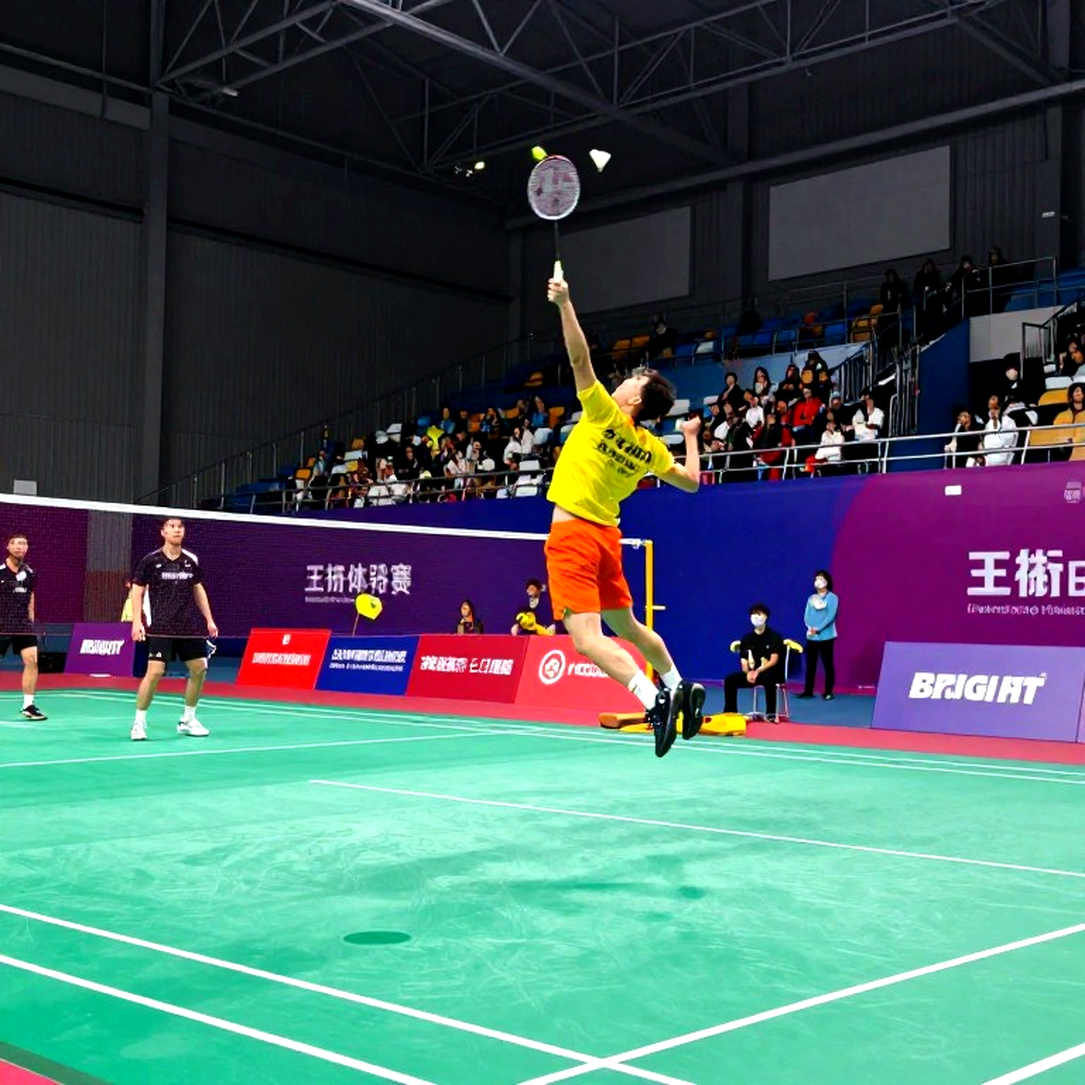
Still, one signal deserves noting: Thailand supplies two players among the leading threats — Vitidsarn near the top and Teeratsakul at No. 17. For a nation long celebrated for doubles, producing two men's singles players at once is the movement of an entire development system, not of one individual.
What to keep
The 2026 season taught me that staying silent in the right place is its own form of courage. Here, staying silent in the right place means refusing to call a difficult bracket a "golden path."
The thing worth watching from the round of 32 is not the result. It is the duration of each match. If Sen beats Loh in two short games, that is a positive signal for the four matches ahead. If he is dragged into a third game in the opening round, the load arithmetic starts compounding, and every later round costs more than the one before.
Elite badminton under single elimination does not reward the strongest player on any given day. It rewards the one still whole on the final day.