
Timo Hennaut Makes Historic Breakthrough for Belgian Table Tennis at STIGA Masters U11
Timo Hennaut (Bỉ) giành chức vô địch đơn nam U11 tại STIGA Masters lần thứ 19 sau khi ngược dòng từ 0-2 trước Hugo Grellier Coffy (Pháp) với tỷ số chung cuộc 3-2 (7-11, 9-11, 12-10, 11-8, 11-8). Đây là lần đầu tiên một tay vợt Bỉ vô địch nội dung này. Ở bán kết, Hennaut cũng thắng Manoj Sankara (Đức) 3-2. Nội dung đơn nữ U11 chứng kiến trận chung kết toàn Thổ Nhĩ Kỳ khi Defne Uzumcu đánh bại Derin Mulazim 3-1; Uzumcu trước đó thắng Lara Monteiro (Bồ Đào Nha) 3-1 ở bán kết, còn Mulazim vượt qua Kamilla Kadar (Phần Lan). Giải quy tụ các tay vợt trẻ từ Bỉ, Pháp, Đức, Thổ Nhĩ Kỳ, Bồ Đào Nha và Phần Lan, từng có các cựu vô địch như Félix Lebrun và Elizabet Abraamian. Thành tích tại giải mang ý nghĩa phát triển và biểu tượng, chưa đủ cơ sở để đánh giá tương lai cấp chuyên nghiệp của các vận động viên.
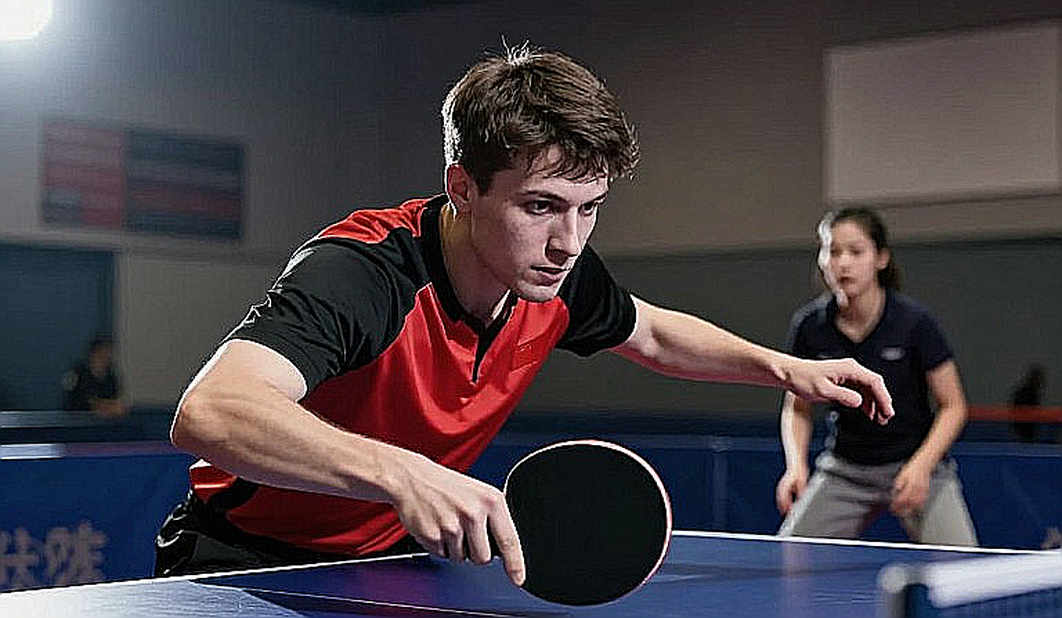
In a development that has drawn significant attention from the European youth table tennis community, the 19th edition of the STIGA Masters youth table tennis tournament concluded with unforgettable moments. The highlight of this year's event was the historic achievement of young Belgian player Timo Hennaut, who became the first Belgian athlete to win the boys' under-11 singles title. Hennaut's victory is not merely a title but opens a new chapter in Belgium's youth development efforts.
Reviewing Timo Hennaut's journey at the tournament, it is clear that the young player faced immense challenges on his path to the top. In the final, Hennaut faced French opponent Hugo Grellier Coffy and found himself in an extremely difficult position after losing the first two games 7-11 and 9-11. However, instead of crumbling, the young Belgian displayed remarkable composure. He went on to win the remaining three games 12-10, 11-8, and 11-8 to complete a comeback victory with an overall score of 3-2, securing the championship convincingly.
It is worth noting that the final was not the only time Hennaut had to battle through five games at this tournament. Earlier, in the semifinal, the Belgian player also endured a nerve-wracking five-game match against German opponent Manoj Sankara before earning his place in the final. These numbers suggest that Hennaut possesses impressive mental fortitude for his young age, particularly his ability to stay calm and handle situations in decisive moments of matches.
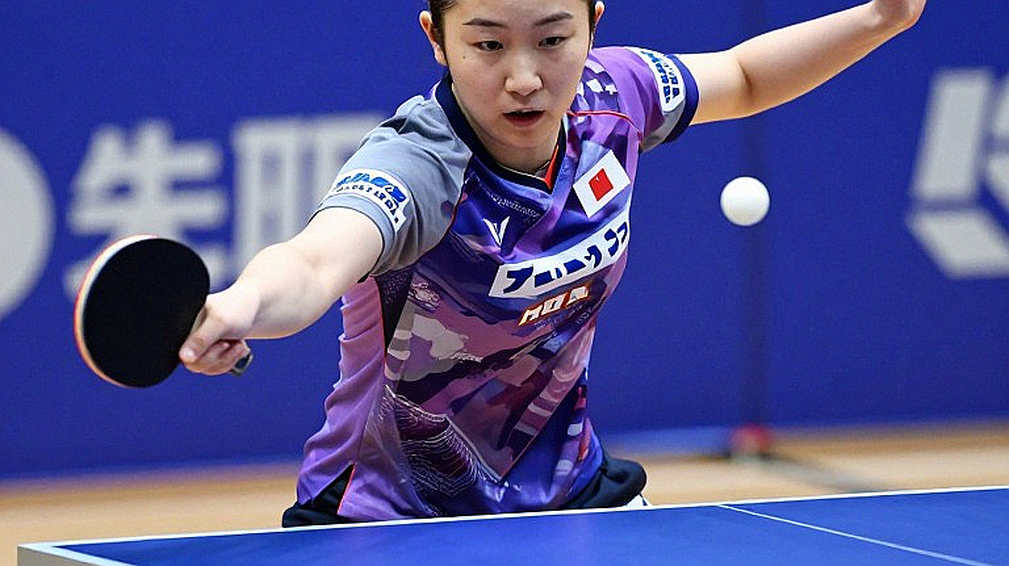
In the girls' under-11 category, the title went to Turkish player Defne Uzumcu. Unlike Hennaut's arduous journey, Uzumcu had a relatively smoother tournament, winning the final 3-1 against compatriot Derin Mulazim. Earlier, in the semifinal, Uzumcu also defeated Portuguese opponent Lara Monteiro 3-1. Notably, the girls' final was an all-Turkish affair, indicating remarkable depth in Turkish women's table tennis at this age group.
The all-Turkish final is also a positive sign that the country's youth development efforts are on the right track. Derin Mulazim, the runner-up, had a convincing run to the final, defeating Finland's Kamilla Kadar in the semifinal. The presence of two Turkish players in the final demonstrates the even development and depth of Turkish women's table tennis at the under-11 level.
Broadly speaking, this year's tournament brought together many young talents from European countries including Belgium, France, Germany, Türkiye, Portugal, and Finland. The presence of players from various countries in the later stages of the competition indicates the widespread development of youth table tennis across Europe. This is an encouraging sign for the future of the sport on the continent, as more and more countries invest systematically in youth athlete development.
It is worth noting that the STIGA Masters is not merely a tournament but carries significant importance in identifying and nurturing young talent. The event has witnessed the growth of many European table tennis stars, including Félix Lebrun and Elizabet Abraamian, who later became European singles champions. The continued success of former STIGA Masters champions at the professional level is testament to the event's value in discovering and cultivating talent.
However, a cautious and objective perspective is needed when assessing the significance of achievements at this tournament. First, this is an under-11 event, an age at which athletes are still very young and have a long development path ahead. Success at this level cannot guarantee success at the professional level, where factors of physicality, technique, tactics, and psychology demand far greater maturity.
Second, information about the tournament remains quite limited, particularly data on the technical, tactical, and physical aspects of the athletes. Assessments of playing styles, technical abilities, or development potential of young players need to be based on multiple factors and monitored over an extended period. Drawing conclusions about athletes' futures based solely on the results of one tournament would lack scientific basis.
Third, it is important to recognize that the achievements of Hennaut and Uzumcu at the STIGA Masters are positive signals for youth development in Belgium and Türkiye, but should not be over-interpreted as indications of a shift in the balance of power in world table tennis. This is a continental youth event and cannot yet reflect the broader picture of elite table tennis.
For Belgian table tennis, Timo Hennaut's championship carries historic significance. This is the first time a Belgian player has won the boys' under-11 singles title at the STIGA Masters. This achievement could provide significant momentum for Belgium's youth table tennis movement, attract public attention, and create more favorable conditions for investment in youth development. However, turning potential into reality requires a systematic and sustainable development pathway, avoiding excessive pressure on an athlete who is still very young.
On Türkiye's side, having two players reach the girls' final is a sign that the country is making significant strides in developing young female athletes. This could be the result of a long-term development strategy focused on early talent identification and nurturing. However, more time and more tournaments are needed to confirm the depth and sustainability of this success.
One aspect worth noting is that the development of young players from the under-11 level to the professional level is a long and volatile process. Many factors can influence athletes' development, including physical growth, training conditions, support from family and federation, as well as the ability to maintain motivation and passion for the sport. Therefore, achievements at the STIGA Masters should be seen as encouraging first steps, but should not create excessive expectations.
In the context of a rapidly evolving world table tennis landscape, the interest and investment of European countries in youth development is a positive signal for the sport's growth. Events like the STIGA Masters not only provide international competition opportunities for young talents but also contribute to raising standards and creating development momentum for member countries.
It can be seen that the 19th STIGA Masters left many memorable moments, from Timo Hennaut's historic achievement to the impressive performances of Turkish players. These results not only reflect the quality of the tournament but also demonstrate the continuous development of European youth table tennis. However, for more comprehensive and accurate assessments, continued monitoring of these athletes' development in the coming years is needed, particularly at higher age categories and in more competitive tournaments.
Overall, the successes of Hennaut and Uzumcu at the STIGA Masters are beautiful stories of effort and talent by young athletes. These stories have inspirational value and encourage other young athletes, while also helping to promote the image of European table tennis. However, a balanced and cautious perspective is needed, avoiding one-sided assessments or excessive expectations that could create unnecessary pressure on young athletes.
In the coming period, European table tennis experts and fans will continue to follow the development of these young talents. Whether they can maintain their form and continue to improve in the years ahead will be the answer to the expectations being placed upon them. Regardless of the outcome, what Hennaut and Uzumcu demonstrated at this year's STIGA Masters deserves recognition and celebration.
Cầu thủ liên quan
Bài đề xuất
Table Tennis Data Analysis in Vietnam: No Information to Create the Article2026-09-09
Ljubljana women's singles semifinals: two 4-1 scorelines, one 13-11 game, and what the result column hides2026-10-18
45-44 Then 45-28: Castel Goffredo and the Relay Format Rewriting Italian Women's Table Tennis2026-10-25
14 out of 14 Golds and the Data Problem of American Youth Table Tennis in the Americas2026-09-19
England Hopes Challenge U11: Prasanna Kumar Goes 9-0, Xiao Xu Wins the One Match That Mattered2026-09-15
Moyland and Zhang Outlast Egypt to Reach Round of 16 at China Smash 20262026-10-08
Bài đề xuất
The Empty Table of Vietnamese Table Tennis: The Data Gap Ahead of SEA Games 332026-09-15
Two champions, two second seeds and a nine-match test at the Under-21 National Cup2026-10-22
Pepinster 2026: LAINE, PINTO and the Unhealed Rift Between U21 and Senior Table Tennis2026-09-20
USA sweeps 14/14 U13 golds at Americas championships: When home turf and a shallow field build an illusion of dominance2026-09-19
Isle of Wight: 16 Under-16 Players, Eight Island Games Spots, and the Conversion Problem at Table Tennis' Ground Floor2026-09-19
Table Tennis England Expands DiSE to 36 Places: Capacity Rises, Quality Remains Unverified2026-09-18