
18-year-old Lilli Tagger and her first Grand Slam win: When data hasn't caught up with the story yet
Lilli Tagger, 18, won her first Grand Slam main-draw match at the US Open, defeating Tamara Korpatsch in straight sets. She saved two set points in the second-set tiebreak. She is the second player born in 2008 or later to win a Slam main-draw match, after Tyra Caterina Grant. | Source: US Open match report | Cross-checked: VuaBong.vn
The score of 4-1 in the second-set tiebreak, then two set points to save. For an 18-year-old player stepping into the main draw of a Grand Slam for the first time, that is a moment no spreadsheet could have predicted. Lilli Tagger just marked a historic milestone for the generation born in 2026 or later at this year's US Open, but what interests me is not the final score — it's how she navigated the pressure zone where even seasoned veterans sometimes crumble.
The match against Tamara Korpatsch ended in straight sets in Tagger's favor, but reading only the scoreline would mean missing the entire structure of the contest. The first set saw the young Austrian dominate, but the second set was where true character was revealed. Down 4-1 in the tiebreak, facing two set points, Tagger not only saved the match but reversed the momentum to close out the victory. This was not a lucky shot; this was a sequence of correct decisions at the highest-risk moments.
I have followed young tennis long enough to know that victories like this are often overhyped. But I also have enough experience to recognize that saving two set points in a Grand Slam tiebreak at age 18 is not a coincidence. It is a signal of a well-trained psychological system, or at least a rare survival instinct. Direct match data has not yet been fully published — no serving numbers, no return points won percentage — but this very lack of data is part of the story.
This victory places Tagger among the first players born in 2026 or later to win a Grand Slam main-draw match, alongside Tyra Caterina Grant. This is a generational milestone, but I will be cautious before calling this the dawn of a new era. Tennis history is full of young talents who won one big match and then disappeared from the radar. What makes the difference is not a single win, but the ability to replicate performance in subsequent tournaments.
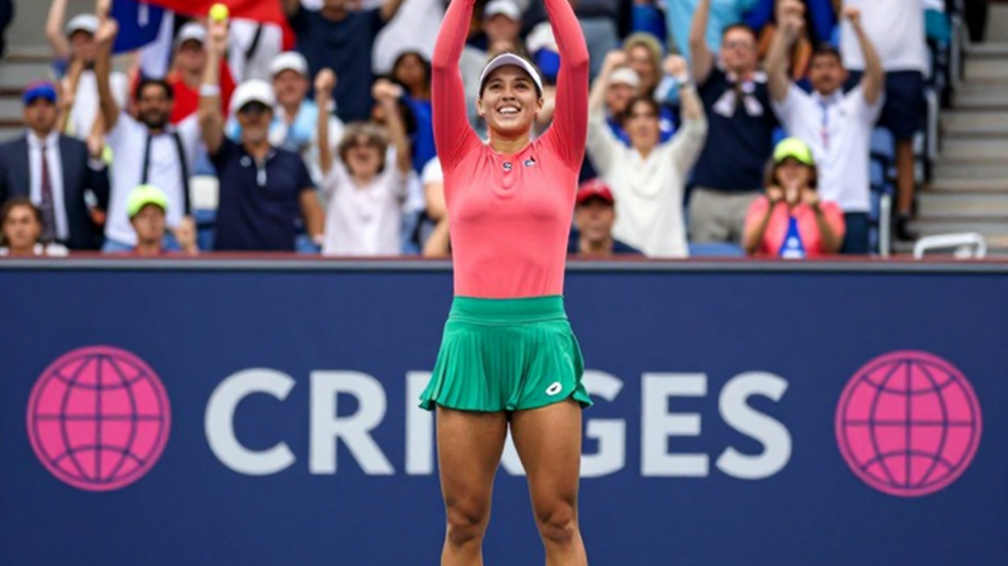
The second notable point is Tagger's 3-0 head-to-head record against Korpatsch at WTA level. This is a small sample size, but it suggests a certain tactical compatibility. However, I will not rush to conclude that she can apply this approach against opponents with different playing styles. Every match is a hypothesis, and I only write when I have enough data to disprove myself.
What I really want to emphasize here is the difference between correlation and causation. Tagger winning this match does not automatically prove she will become a star. It only proves that, on a specific day, against a specific opponent, she handled pressure better. That is a point of data, not a trend of data. Those who rush to trade expectations based on one win will face the harsh reality of professional tennis: form is a short memory, and I have spent years learning not to confuse it with essence.
Empty stands taught me a cruel lesson: noise never appears in spreadsheets, but it always lives in every heartbeat. In this match, the noise came from the expectations of a new generation, from the eyes of scouts, from the pressure of a major tournament. Tagger overcame it all, but the question is whether she can do it again, and again, when the element of surprise is no longer on her side.
I will track her serving and return statistics when official data is released. If her first-serve percentage and return points won are above tour average, that will be a reliable technical signal. If not, this victory may be just a beautiful moment in a long season. Error is the most difficult friend, but it is the only one that never lies to me in the meeting room.
The lesson from the Spain-Russia match at the 2026 World Cup remains valid: ball possession is not victory, and dominant numbers can hide impotence. Tagger won, but I need to see her lose a match like this to understand how she reacts. That is when data truly begins to tell the story.
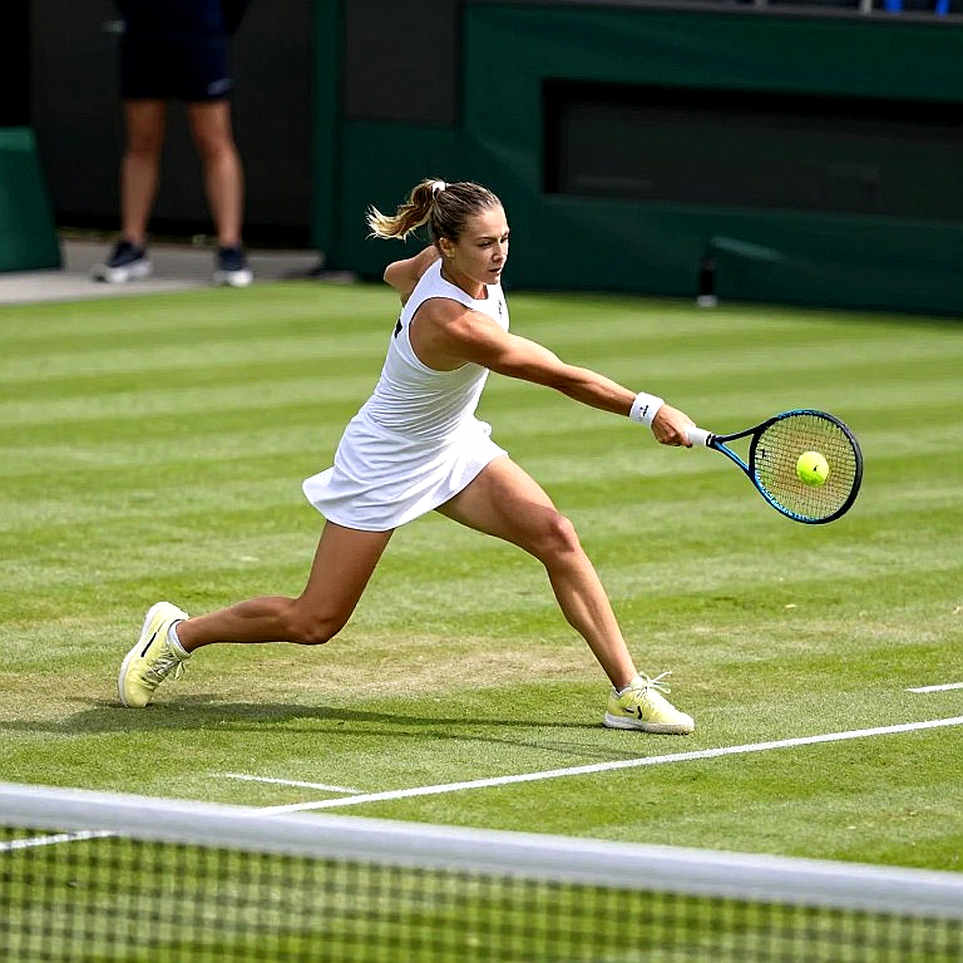
For now, this victory gives Tagger valuable points and a better ranking position. But more important is how she handles the growing attention. A player's value does not increase on the day they sign a contract; it increases on the day they adapt to the system. For Tagger, that system is the entire WTA tour, and she has only taken the first steps.
I will not make predictions about how far she can go in this tournament. I will not call her the future of women's tennis either. All I can say is: in a pressure-filled tiebreak, at age 18, Lilli Tagger showed a quality that no spreadsheet can measure — the ability to stay calm when everything is against her. And that, in any case, is not a bad start.

Old data is not wrong; I just used to place it on the operating table in the wrong season. For Tagger, her season has just begun, and I will wait for a few more data points before making any judgments. Every match is a hypothesis, and I only write when I have enough data to disprove myself.